
Co-occurring disorders in Englewood, NJ, pose unique challenges, requiring integrated treatment for mental health and addiction issues like anxiety and depression. This holistic approach, through resources like Valley Spring, enhances recovery outcomes by addressing interconnected conditions and improving access to comprehensive care within the community.
Englewood, NJ faces unique challenges in addressing co-occurring mental health and addiction issues, affecting individuals across all demographics. This article delves into the intricate relationship between these disorders, their profound impact on community health, and the current treatment gaps. We explore integrated care models as a promising solution, highlighting successful strategies and available resources for individuals and families navigating these complex conditions. By fostering a supportive ecosystem, Englewood can enhance recovery outcomes and transform lives.
- Understanding Co-Occurring Disorders in Englewood
- The Impact on Community Health and Wellbeing
- Current Challenges in Treating Dual Diagnoses
- Integrated Care Models: A Promising Approach
- Accessing Services: Resources for Individuals and Families
- Building a Supportive Ecosystem for Recovery
Understanding Co-Occurring Disorders in Englewood

Co-occurring disorders, often referred to as dual diagnoses, are a complex issue in Englewood and throughout New Jersey. When an individual struggles with both mental health addiction and anxiety depression addiction simultaneously, it creates a unique set of challenges. In Englewood, where social and economic factors can contribute to stress and trauma, the prevalence of co-occurring disorders is significant. Understanding these interconnected issues is crucial for effective support and treatment.
Integrated treatment is a proven approach to addressing co-occurring mental health addiction and anxiety depression addiction. By combining therapies tailored to both conditions, individuals in Englewood receive comprehensive care that considers the unique interplay between their mental health and substance use. This holistic method enhances recovery outcomes by focusing on the whole person rather than isolating symptoms.
The Impact on Community Health and Wellbeing

Englewood, NJ faces significant challenges related to co-occurring mental health and addiction issues, which have a profound impact on community health and wellbeing. These complex conditions often go hand in hand, with individuals experiencing anxiety, depression, or substance use disorders simultaneously. This dual burden creates a web of barriers to healthy living, exacerbating existing social determinants of health such as poverty, limited access to quality healthcare, and high rates of unemployment.
The presence of co-occurring disorders can lead to a cycle of deterioration, where untreated mental health issues fuel addiction, and substance abuse compounds the symptoms of underlying psychiatric conditions. This cyclical nature deepens the divide between individuals and their communities, hindering their ability to access services and maintain stable, healthy lives. Addressing this dilemma requires an integrated treatment approach that considers both mental health addiction and substance use disorders as interconnected entities, demanding comprehensive interventions tailored to the unique needs of each individual within the context of their community in Englewood.
Current Challenges in Treating Dual Diagnoses

Treating individuals with co-occurring mental health and addiction issues presents several challenges in Englewood, as well as across the nation. Often, these conditions are complex and intertwined, making it difficult for healthcare professionals to determine the root cause of a patient's struggles. Many people suffering from dual diagnoses experience what is known as comorbidity, where both disorders have independently developed and require specialized care.
One significant obstacle in addressing co-occurring disorders like anxiety depression addiction or mental health addiction is the fragmented nature of treatment. Traditionally, these services have been siloed, with mental health professionals and addiction specialists working independently. This can lead to gaps in care, as patients may receive treatment for one condition but not the other, or they might be prescribed medications that interact negatively due to a lack of comprehensive integrated treatment plans.
Integrated Care Models: A Promising Approach
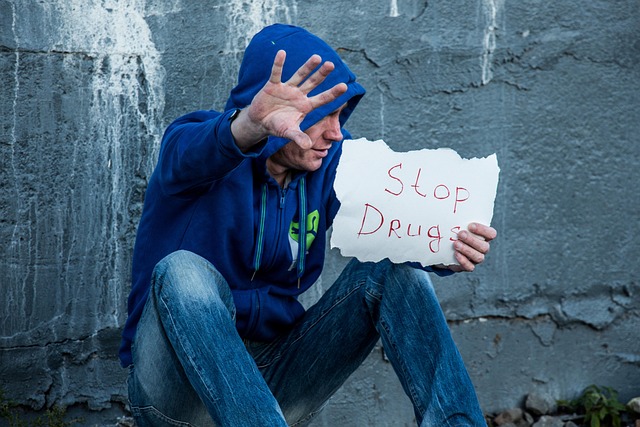
Integrated Care Models represent a promising approach for addressing co-occurring disorders in Englewood and similar communities. By combining treatments for both mental health addiction and anxiety depression addiction within a single, comprehensive framework, these models offer a more holistic and effective care solution. This collaborative approach ensures that individuals receiving treatment for co-occurring disorders in Englewood NJ are supported by multidisciplinary teams consisting of healthcare professionals from various disciplines.
This integrated treatment method goes beyond the traditional siloed care models, where mental health and addiction services were often separated. By bringing these services together, Integrated Care Models foster better communication and coordination among providers, leading to more personalized and tailored interventions for each patient's unique needs. This approach has shown promise in improving outcomes, reducing relapses, and enhancing overall well-being for individuals struggling with co-occurring disorders.
Accessing Services: Resources for Individuals and Families

In Englewood, New Jersey, accessing integrated treatment for co-occurring mental health and addiction issues is possible through a variety of resources designed to support individuals and families. Organizations like Valley Spring offer specialized programs tailored to address complex cases of co-occurring disorders, such as anxiety, depression, and addiction. These services are crucial in helping residents navigate the challenges associated with these dual conditions effectively.
Families play a vital role in recovery by providing encouragement and support. Local community centers and advocacy groups host workshops and awareness campaigns to educate families about mental health addiction and co-occurring disorders. By fostering an understanding of these issues, they empower family members to actively participate in their loved ones' treatment plans, enhancing the overall effectiveness of care at facilities like Valley Spring.
Building a Supportive Ecosystem for Recovery
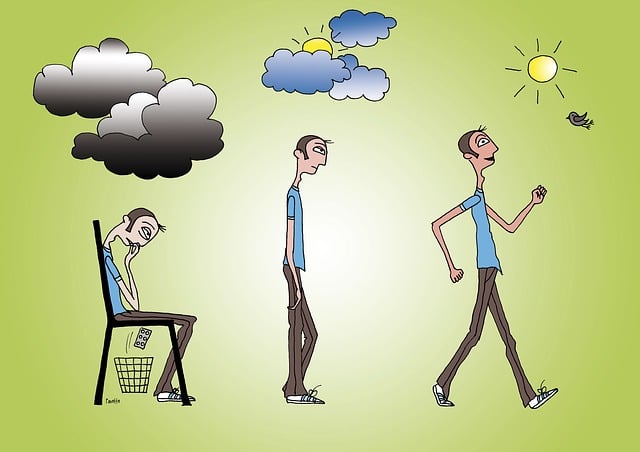
Englewood, NJ, is witnessing a transformative shift in its approach to addressing co-occurring disorders, where building a supportive ecosystem for recovery takes center stage. This holistic strategy recognizes that mental health addiction and anxiety depression often go hand in hand, creating a complex web of challenges. By integrating services at Valley Spring and other local facilities, the community is fostering an environment conducive to long-term healing.
The focus is on providing comprehensive care that caters to both the mind and body. This involves not just treating addiction but also addressing underlying mental health issues such as anxiety and depression. Through collaborative efforts between healthcare providers, counselors, and support groups, individuals navigating these complex co-occurring disorders find a network of support tailored to their unique needs. Such an ecosystem ensures that recovery is not just about overcoming addiction but also about rebuilding lives and reclaiming happiness in a nurturing, understanding environment.